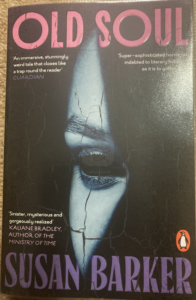
‘Lapidary’ is the word that occurs to me when I think of this book. Not just because of its running motifs of sculptors and statues, but because the prose itself glitters with that polished, incisive quality I associate with the faceting of fine gemstones. In the afterword, Barker writes about writing the book over a period of years, and every perfectly crafted sentence rings with the evidence of such dedication.
It’s also a genuinely terrifying read, making great use of two atavistic horror tropes: the immortal being which survives by preying on humans, and the power of a likeness (be it drawing, reflection or photograph) to steal someone’s soul. Although that isn’t quite what happens here, the uncanniness of portraits – and the combination of receptiveness and invasiveness that goes into their making – is fully realised throughout the narrative. As perspectives and time periods shift and interweave, we are left with the disquieting sense that each storyline was out of kilter long before the intrusion of the narrative’s ‘evil spirit’.